

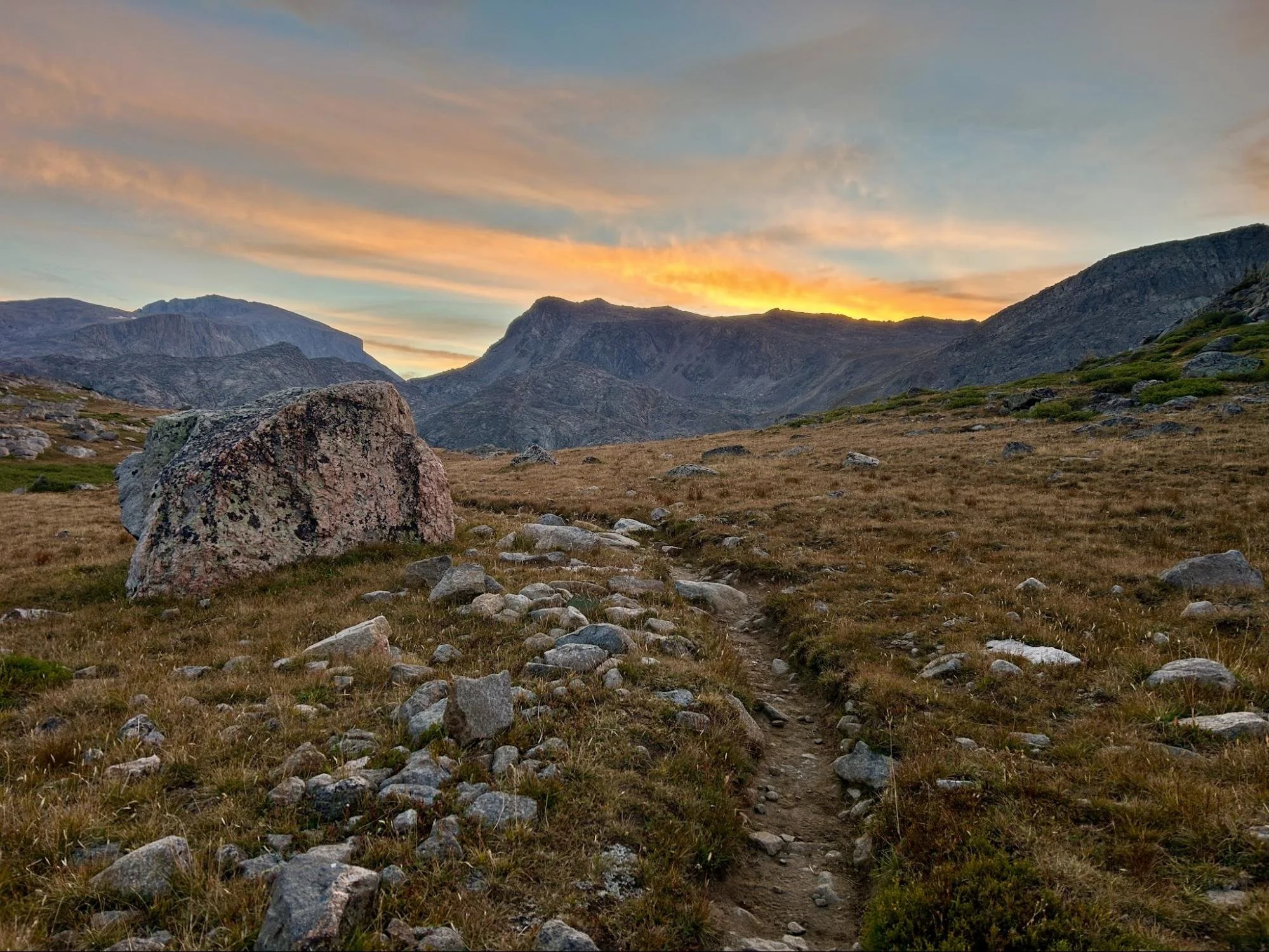
Solitude Loop in the Bighorns
The Solitude Loop is a challenging 55+ mile circumnavigation of the Cloud Peak Wilderness. It traverses the high country of the central Bighorn Mountains, never dropping below 8,100 feet. Hikers are challenged to climb through four different mountain passes above treeline, following historic cairns and reaching well over 10,000 feet each time.
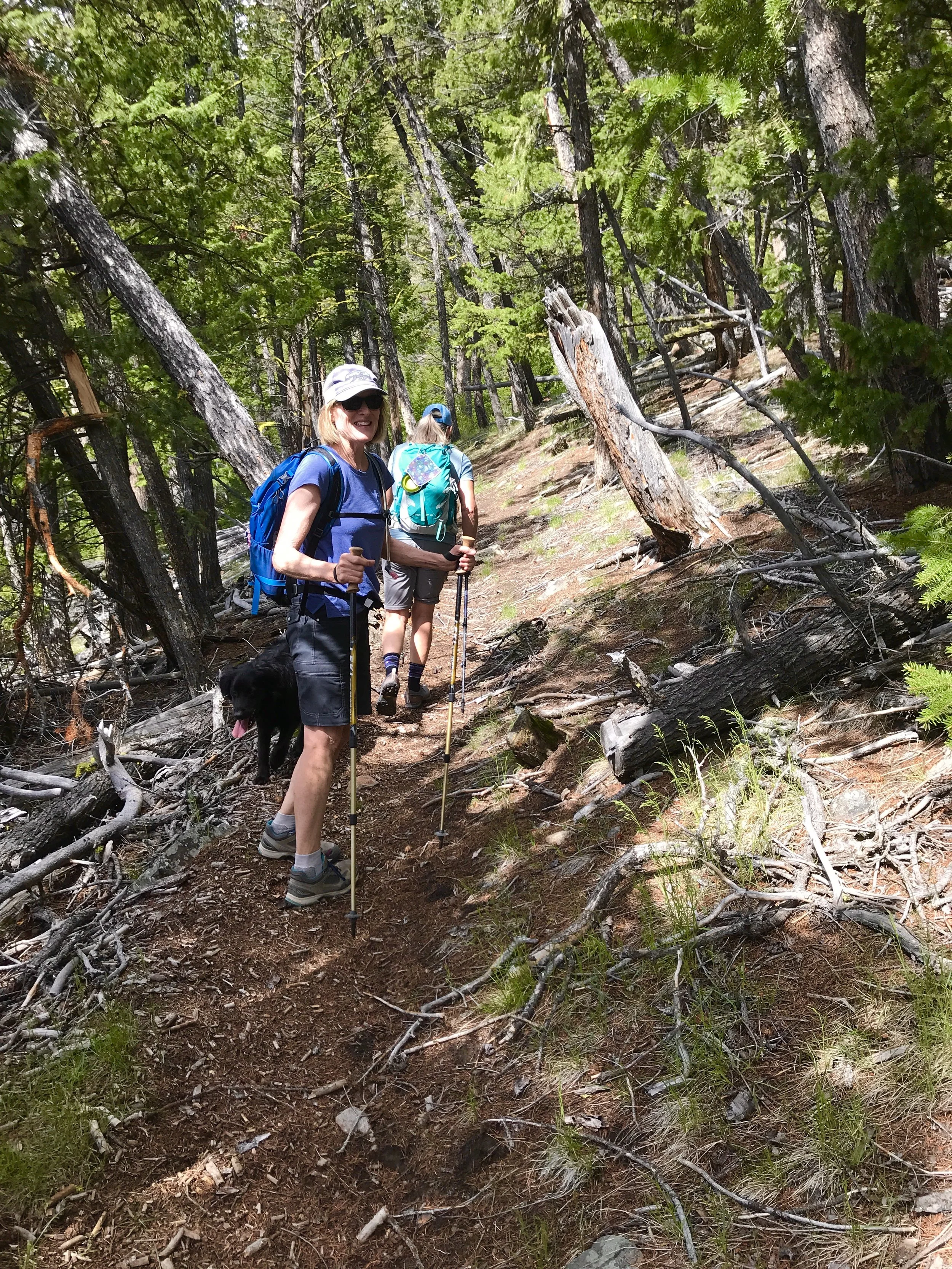
Ishawooa Mesa Trail
Ishawooa Mesa is a 10,700-foot mountain near the end of Cody’s Southfork Highway. It is part of the tall ridge between the South Fork of the Shoshone River and Ishawooa Creek. From the top of the mesa on this 9-mile roundtrip hike, both rivers look like tiny silver ribbons in the valleys far below.
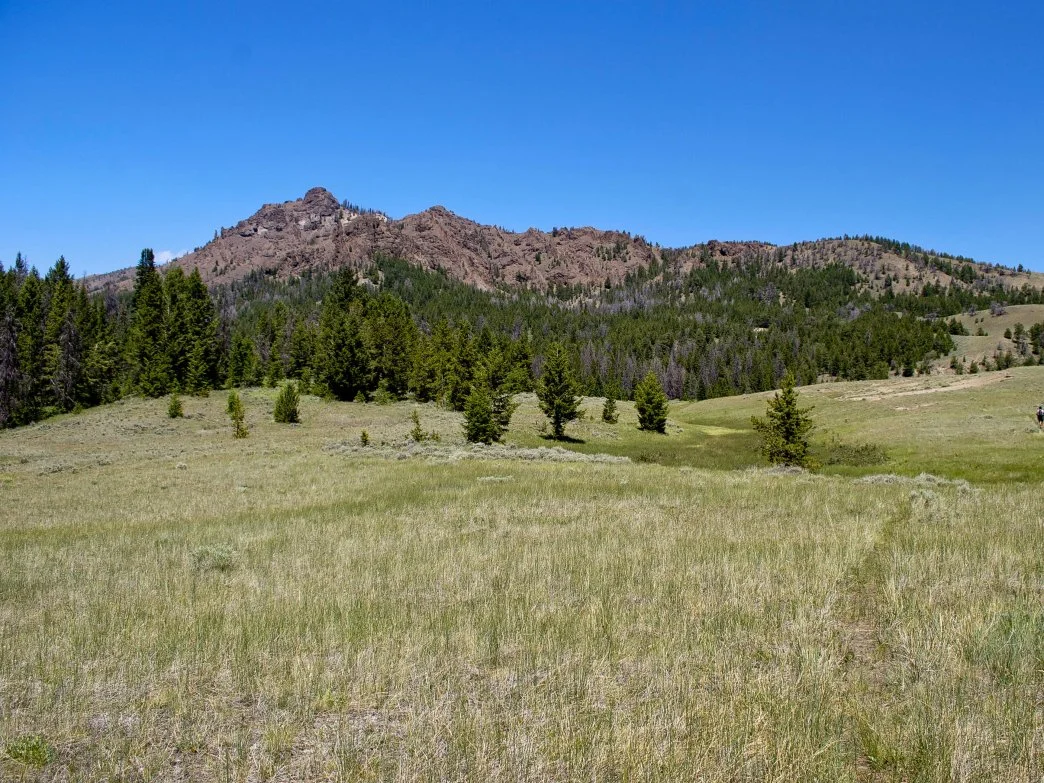
Little Sunlight
The Little Sunlight Trail runs alongside Little Sunlight Creek just beyond the boundary into the North Absaroka Wilderness. You can choose to do this hike as a loop or an out-and-back adventure. The trail offers stunning views, opportunities for wildlife sightings, and a beautiful drive to the trailhead.
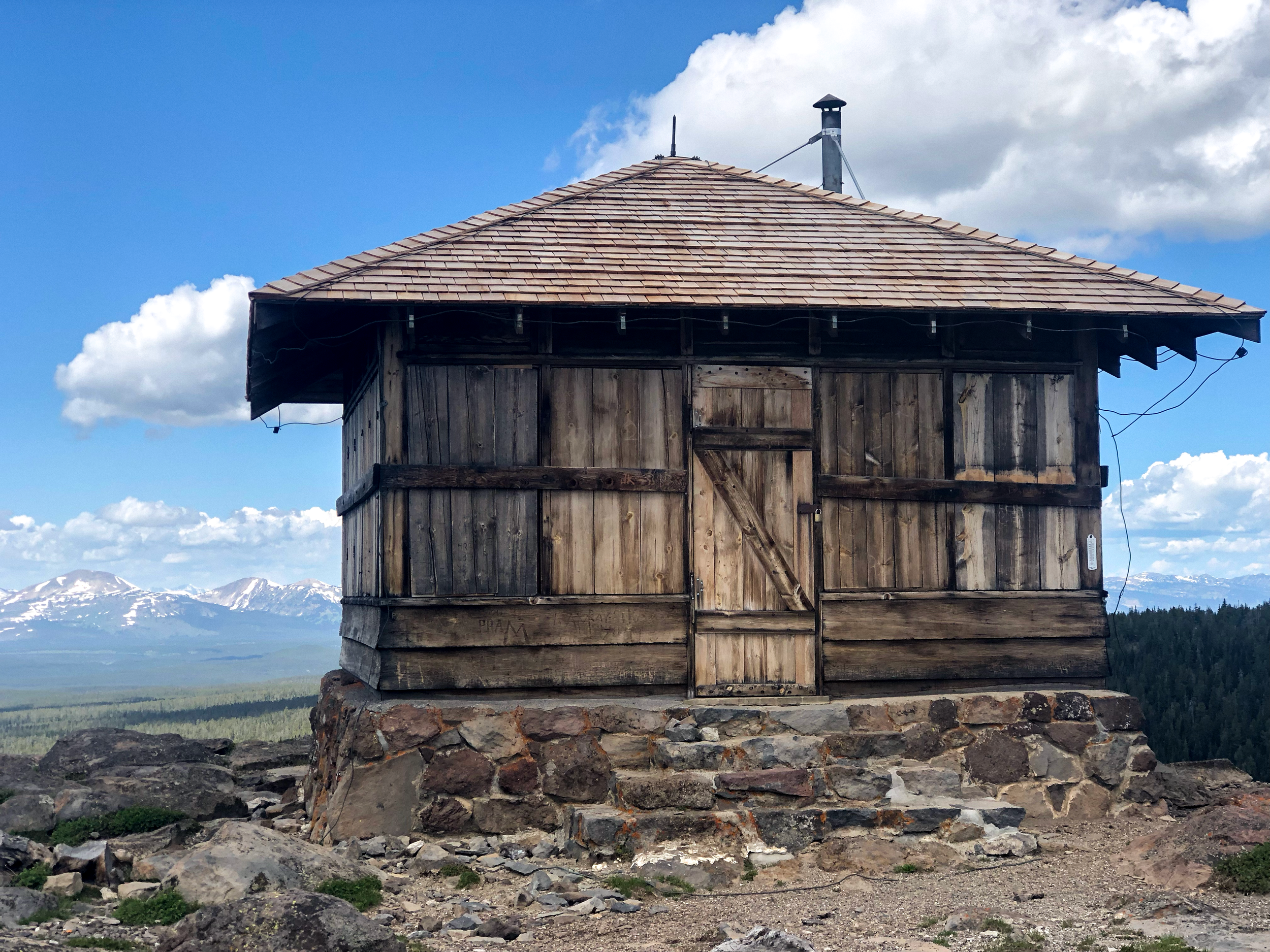
Observation Peak
This trail is an endurance hiker’s dream. It’s a long and scenic hike that’s almost completely uphill until you reach the summit, so make sure to bring plenty of food and water - you’ll need the energy. The view from the trail will also make the tiring hike worth it for anyone who has fun seeing the beauty of the Yellowstone area firsthand.
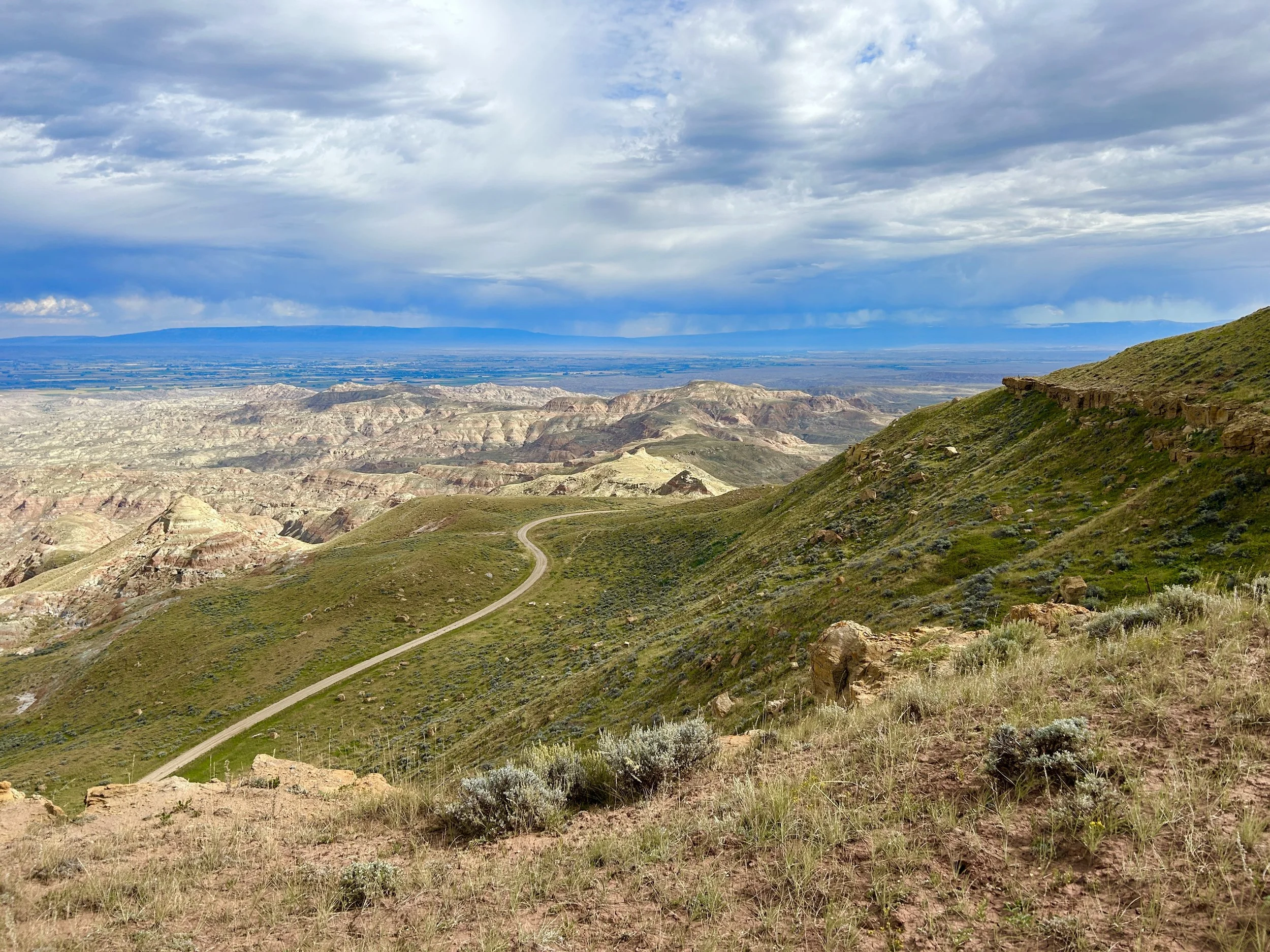
McCullough Peaks
This is a popular local hike in the badlands east of Cody. With over 25,000 acres of BLM land to explore, hikers can choose to walk on the quiet dirt road or on the many miles of singletrack trails winding through the sage covered hills.
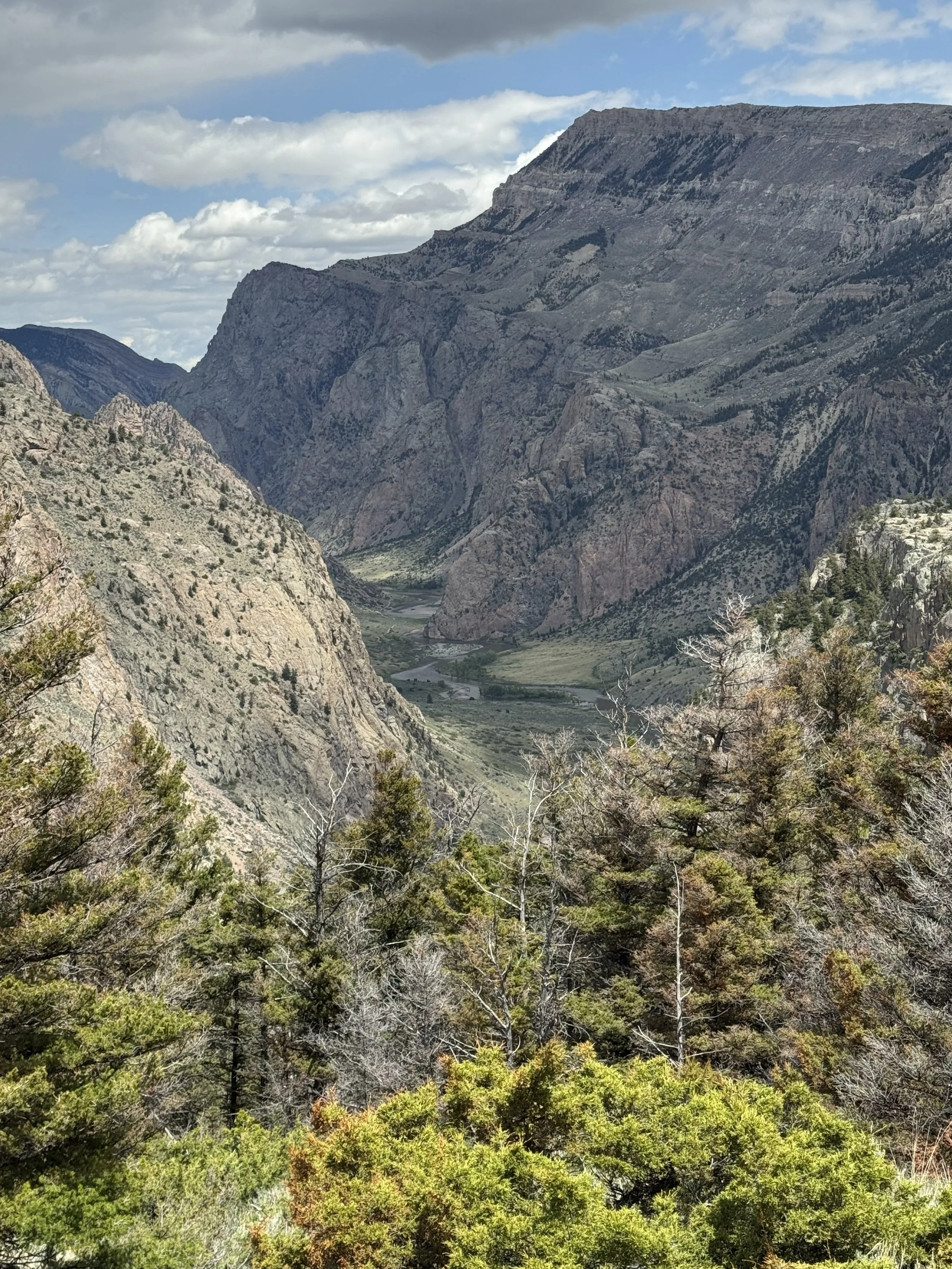
Clarks Fork Canyon From Lower Dead Indian Trail
A dramatic ramble along the edge of a wild canyon, with views of rivers and waterfalls.
While this hike feels remote soon after leaving the trailhead, and the views down into the vast set of canyons that the Clarks Fork of the Yellowstone inhabits seem incredibly wild, the trail itself is steeped in history - not all of it pleasant. John Colter probably used this route in 1807, but more importantly, this critical piece of trail was a key point on the old Bannock Trail that gave native tribes access to bison in the Big Horn Basin and the Yellowstone Valley. It was also part of the route that the Nez Perce, led by Looking Glass and Chief Joseph, amongst others, used to escape the US Army in the 1870s.
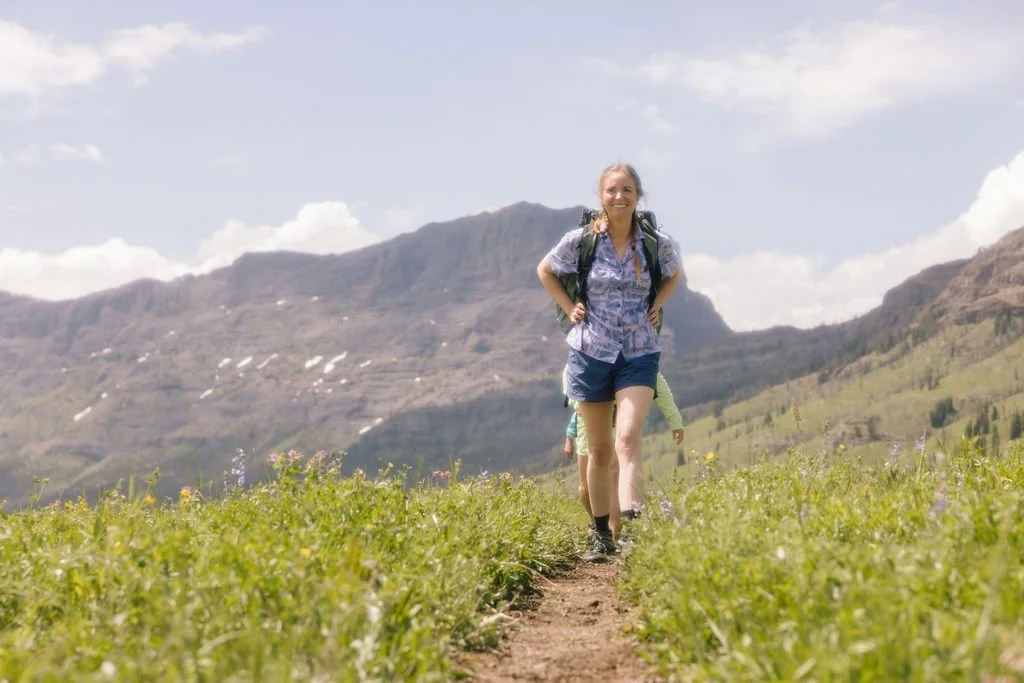
Hiking Pebble Creek
Pink fireweed. Yellow goldenrod. Purple lupine. White yarrow. Between the bright green of the willows along Pebble Creek and the silver sage on the hills above, portions of the Pebble Creek trail travel through some of the finest dry meadow gardens in Yellowstone National Park. The landscape surrounding the trail demonstrates what is called the sagebrush-steppe plant community - found along the entire Northern Range of Yellowstone, dominated by sagebrush, several species of grasses, and a dazzling display of wildflowers in late June through early July.
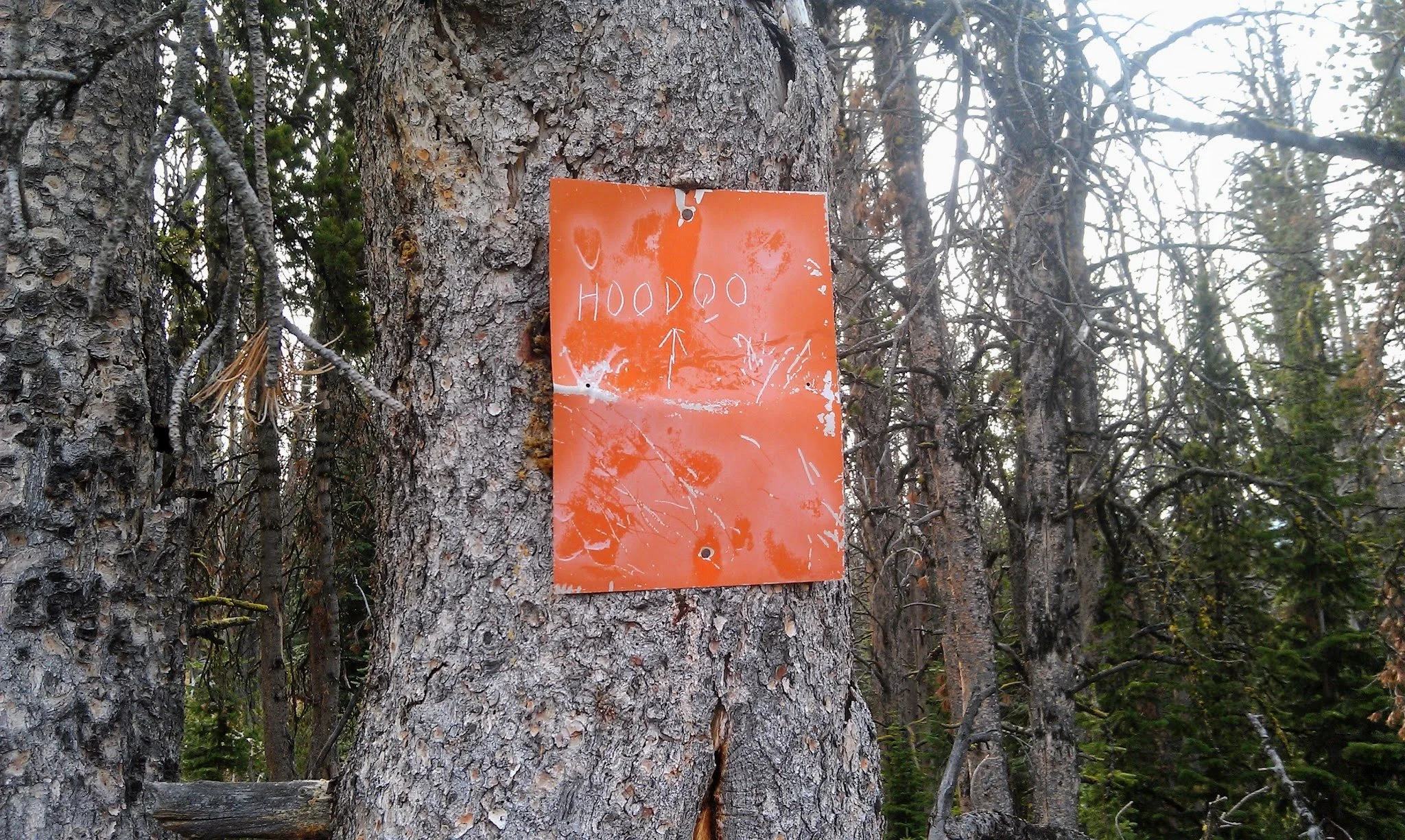
Backpacking Yellowstone's Hoodoo Basin
Yellowstone gets four million visitors a year. Almost none of them come here, to what is arguably the park's most unique spot. Superintendent Philetus Norris, the first paid superintendent of the park, called Hoodoo Basin "Goblin Land" when he explored it in 1880. He was so taken with the area that he had the trail built that visitors use today. The hoodoos themselves are volcanic formations, shaped by 50 million years of eruption and erosion into forms that previous visitors have said resemble gargoyles, giants, and figures that can’t be described. Photographs don't do it justice.
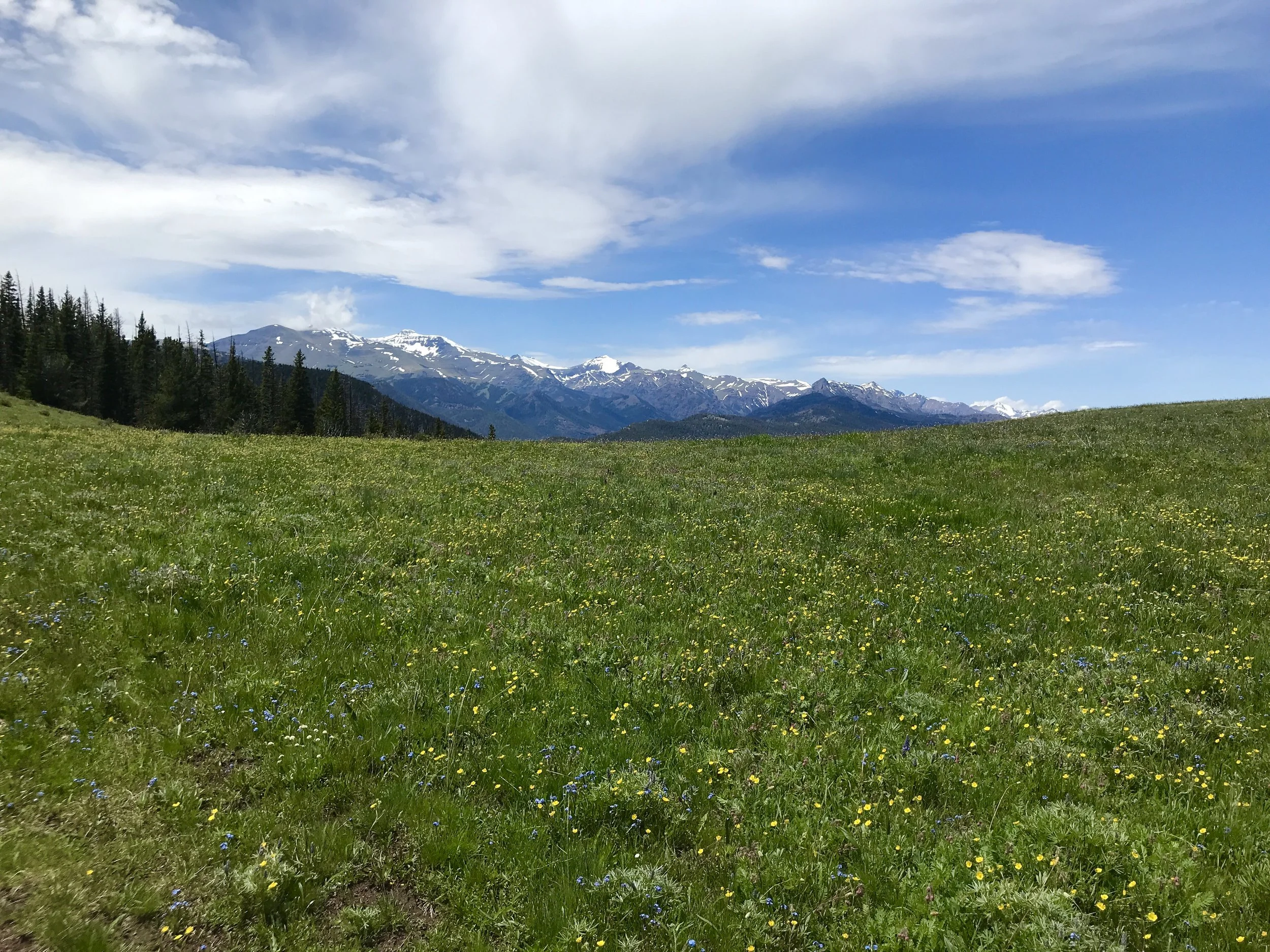
5 Hikes to Savor Summer Wildflower Season in Cody
Wildflower season in Cody and East Yellowstone is short, brilliant, and accessible. Five hikes—from easy family loops in Yellowstone to the quad-burning climb up Bald Ridge—where the show is worth every step. Grab your bug spray, watch the afternoon sky, and get out there before August closes the curtain.
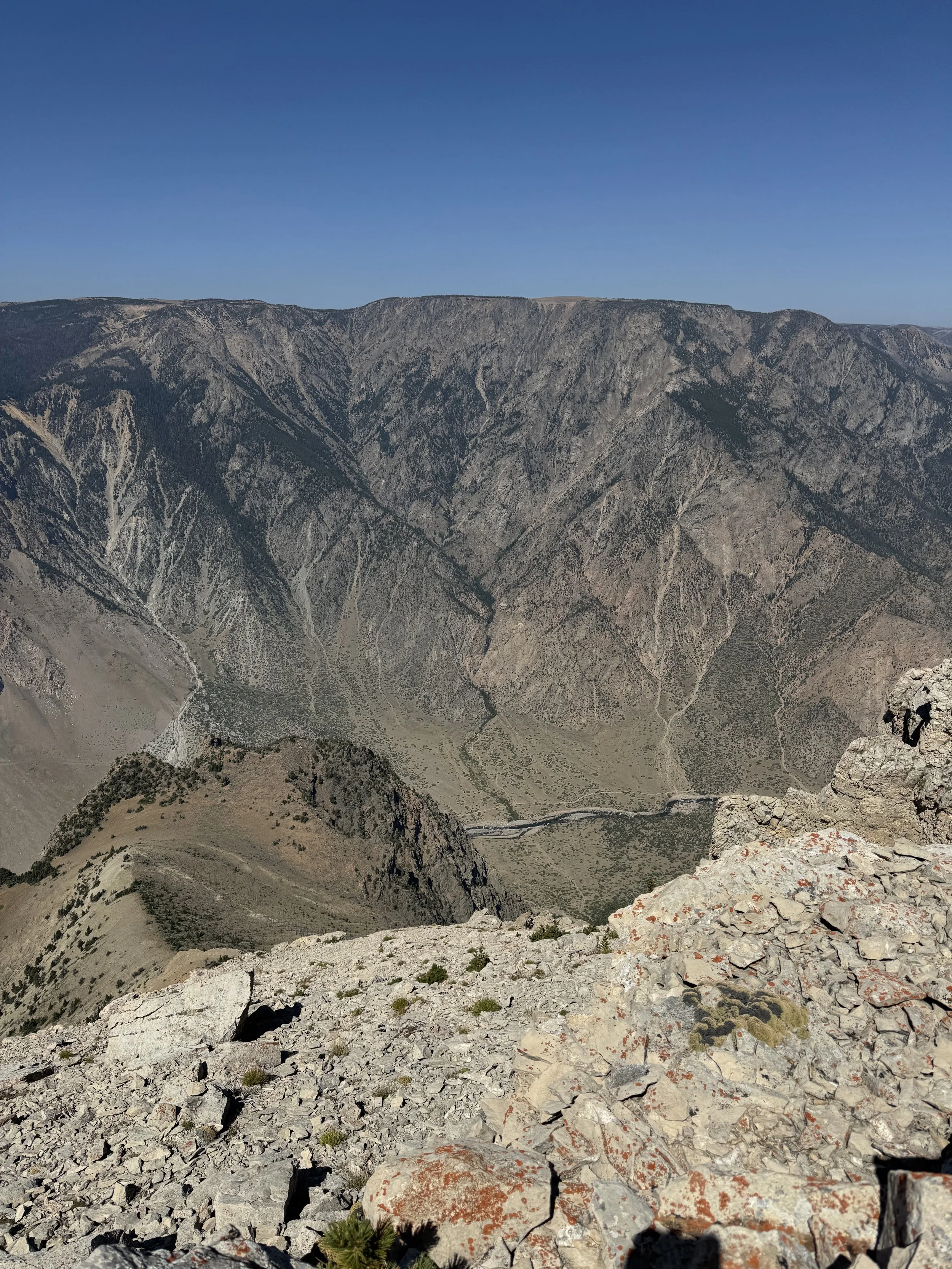
Bald Peak
This out-and-back route follows the south rim of the Clark’s Fork Canyon and delivers wide views into Sunlight Basin, the canyon below, Heart Mountain, and Cody. Although those landmarks are visible along much of the trail, the setting feels more remote and wilder than you would expect. From the summit of Bald Peak, you can look more than 3,000 vertical feet down into one of the area’s most dramatic canyons.